

Consistent, high-quality crew training is one of the foundations of operational excellence at FLY4. It’s not a box-ticking exercise: it’s how we build confidence, consistency and the calm competence that passengers expect in routine and unexpected situations alike.
What it means in practice:
- For our partners — airlines, tour operators and brokers get crews who are ready to deliver safe, seamless service from day one, reducing operational risk and protecting their brand reputation.
- For our guests — it delivers peace of mind: crews who are calm, capable and able to respond professionally to whatever a flight may present.
- For our crew — training gives clarity in procedures, confidence in decision-making and ongoing professional development supported by coaches who know the job inside out.
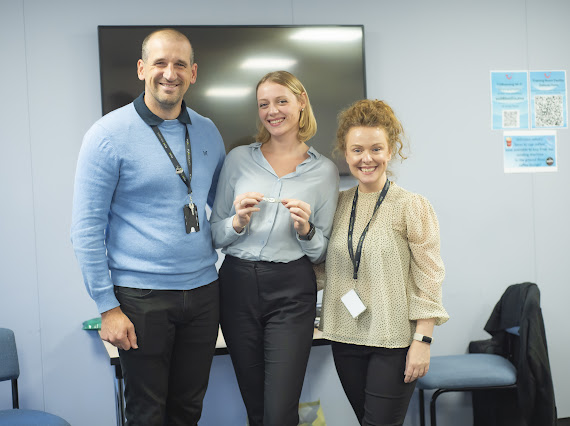
These outcomes are not theoretical. In September, 2 of our Training & Standards Instructors (TSIs), Katrina Forsyth and Christopher Keeler, ran a six-day operator conversion course for our newest cabin crew – an intense programme that demonstrates exactly how we turn recruits into ready-to-operate professionals.
What happens in a week of crew training
The course mixes classroom learning with practical assessments to ensure knowledge is embedded. Topics covered include standard operating procedures, normal and emergency procedures, aviation first aid, aviation security and Crew Resource Management (CRM).
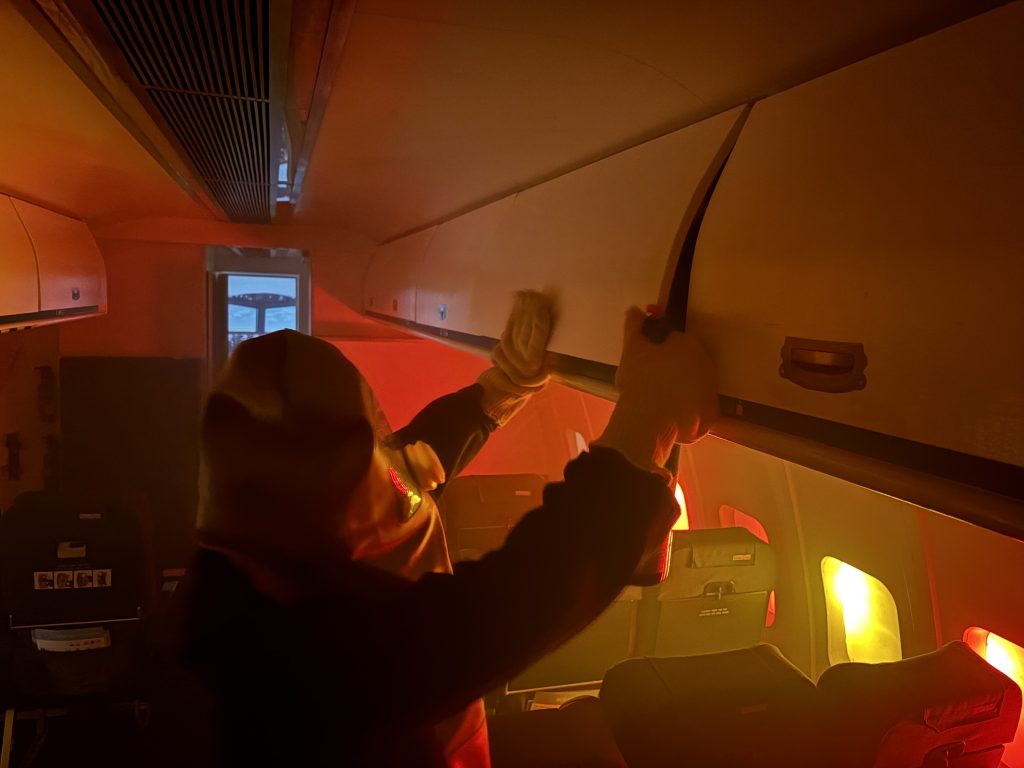
Practical drills put that learning into action:
- door operation
- Firefighting
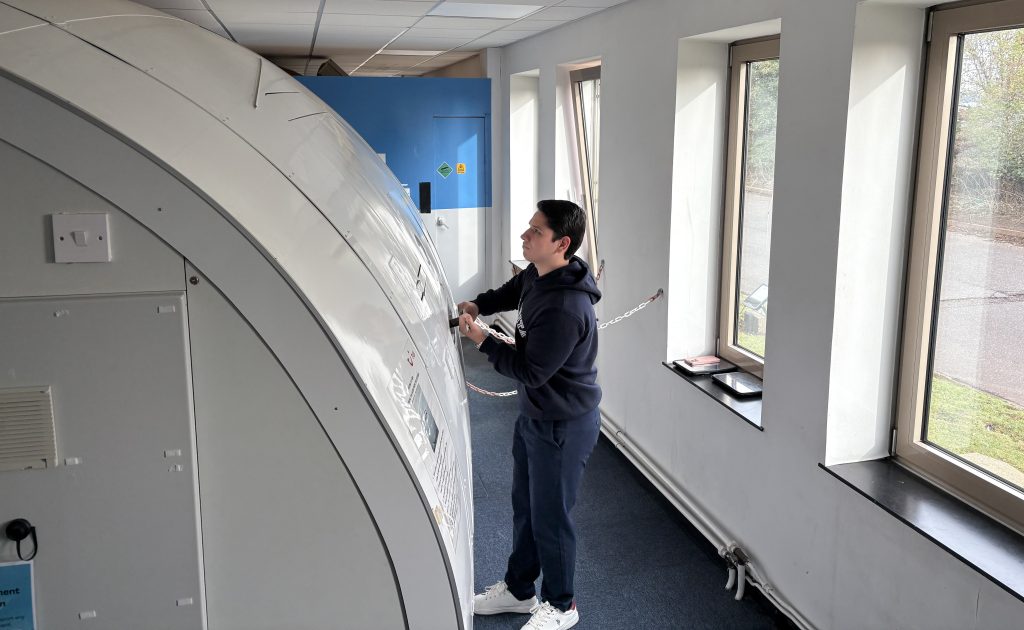
- slide descent
- first-aid scenarios
- evacuation training
The week finishes with an aircraft visit so trainees can familiarise themselves with the real workspace they’ll be using.
Katrina and Chris lead each session with a practical, no-nonsense approach. They structure long days of teaching so learning remains rigorous but supportive, recognising that realistic simulations and emotionally charged scenarios are tiring but necessary to ensure competence.
Crew training that sets the standard
The Training & Standards Instructors do far more than teach checklists. They design assessments, coach individuals through practical challenges and maintain the standards we expect across all operations, from seasonal charters to wet-lease services. Recurrent training ensures experienced crew remain current with evolving procedures and aircraft-specific requirements.
Katrina describes the most rewarding moment: “That ‘lightbulb’ when something a trainee has been struggling with suddenly clicks into place and watching the happiness on their faces when they pass an exam. That makes all the long days pay off.” Chris echoes the sentiment while being candid about the job’s demands: the role is “challenging, chaotic, but rewarding.”
What surprises trainees about crew training
Both Chris and Katrina report similar reactions from new recruits with many underestimating how intensive training is.
“One thing that all trainees are surprised during training is how draining the training can be,” Chris explains.
“Lots of new information and procedures to learn and understand, plus long classroom days and potential unsocial hours all add to this.”
Practical drills are realistic by design; they’re meant to replicate the stress and decision-making required in a genuine emergency.
Creating a culture of safety at FLY4
For our partners and guests, rigorous training equals reliability. For crew, it builds professional pride, competence and career progression. If you’re interested in a cabin crew position, keep an eye on our careers page or get in touch if you want to know more about how FLY4 can support your ACMI or charter needs.